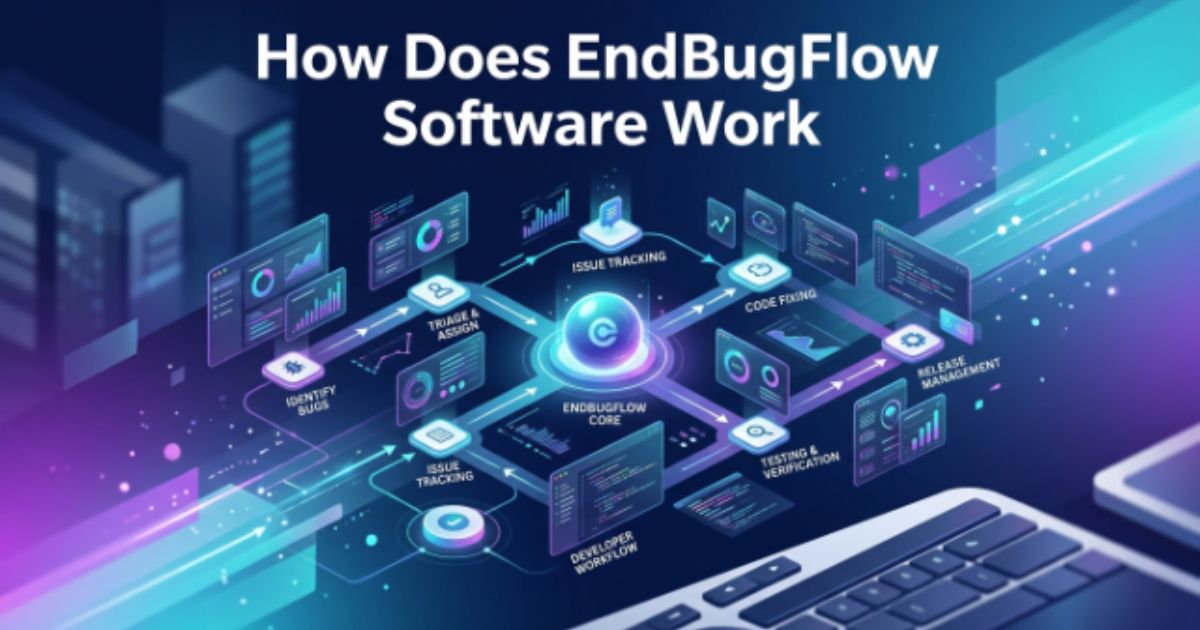
Many users want to understand how does endbugflow software work before using it for development, debugging, or workflow management. EndBugFlow software is designed to help teams detect software issues, organize project tasks, and improve system performance through automation and smart tracking features. This guide explains the software in simple terms, covering its main functions, workflow, benefits, and practical uses for developers and businesses.
What Is EndBugFlow Software?
EndBugFlow software is a digital platform created to simplify software management and bug tracking. It combines monitoring tools, automated reporting, and workflow organization into one system. Developers and teams use it to identify errors, track fixes, and maintain smoother project operations.
The platform is often used in software development environments where testing, collaboration, and performance monitoring are important. Its goal is to reduce manual work and improve efficiency.
Key Features of EndBugFlow Software
Some common features include:
- Real-time bug detection
- Automated error reporting
- Task and workflow management
- Team collaboration tools
- Performance monitoring dashboards
- Integration with development platforms
These features help teams stay organized while improving software quality.
How Does EndBugFlow Software Work?
Understanding how does endbugflow software work becomes easier when you break the process into steps.
1. Data Collection and Monitoring
EndBugFlow continuously monitors applications, systems, or websites for technical issues. It gathers data related to crashes, slow performance, failed actions, and coding errors.
2. Bug Detection Engine

The software uses automated scanning tools to identify problems within the system. When an issue appears, the platform records detailed information such as:
- Error type
- Time of occurrence
- Affected module
- Possible causes
This helps developers quickly understand the problem.
3. Report Generation
After detecting issues, EndBugFlow creates organized reports. These reports may include logs, screenshots, performance metrics, and debugging suggestions.
Bug Reporting Dashboard:
Image showing a modern software dashboard with bug alerts, performance graphs, and automated reports.
4. Workflow Assignment
The software allows managers or team leads to assign tasks directly to developers. Each bug or task can be prioritized based on urgency.
This workflow system improves communication and prevents confusion during software development.
5. Tracking and Resolution
Developers update the progress of each task inside the platform. Once the issue is fixed, the software verifies the solution and updates the project status automatically.
Main Components of EndBugFlow Software
User Dashboard
The dashboard acts as the control center. Users can monitor project activity, system health, pending tasks, and bug reports from one place.
Automation System
Automation is one of the strongest features of the platform. Instead of manually tracking every issue, EndBugFlow performs automated scans and notifications.
Collaboration Tools
Team members can communicate inside the software using comments, updates, and shared reports. This creates a smoother development process.
Performance Analytics

Image showing analytics charts, system performance metrics, and software monitoring graphs.
The analytics section helps users understand application performance over time. It highlights recurring issues and system trends.
Benefits of Using EndBugFlow Software
Faster Bug Detection
One major advantage is quick identification of software problems. Early detection prevents larger technical failures later.
Improved Team Productivity
Since tasks are organized automatically, developers spend less time managing workflows and more time solving issues.
Better Software Quality
Continuous monitoring improves stability and reduces the chance of critical system failures.
Centralized Management
Everything from reports to assignments stays in one platform, making project management easier.
Reduced Manual Work
Automation decreases repetitive tasks, helping companies save time and resources.
Industries That Can Use EndBugFlow Software
Many industries can benefit from this type of software, including:
- Software development companies
- SaaS businesses
- E-commerce platforms
- Mobile app developers
- IT support teams
- Enterprise technology firms
Any organization managing digital products can use EndBugFlow to improve efficiency and reliability.
How EndBugFlow Supports Developers
Developers often face challenges when handling multiple bugs and project updates. EndBugFlow simplifies this process by providing organized debugging tools and clear reporting systems.
Developer Workflow Example

Image showing developers collaborating while reviewing bug reports and coding tasks.
The software helps developers:
- Track unresolved issues
- Prioritize important tasks
- Review system logs
- Monitor application performance
- Collaborate with team members
This structured environment reduces confusion and speeds up development cycles.
Security and Data Management
Security is an important part of modern software systems. EndBugFlow may include features such as:
- User authentication
- Access control
- Data encryption
- Backup management
- Activity tracking
These tools help protect project data and maintain system reliability.
Common Challenges Users May Face
Although the platform offers many benefits, some users may experience challenges during setup or usage.
Learning Curve
New users may need time to understand dashboards and workflow systems.
Integration Issues
Some businesses may require custom integration with existing tools or software environments.
Resource Usage
Large-scale monitoring systems can sometimes require strong server performance for smooth operation.
Proper configuration and training usually solve these issues over time.
Tips for Using EndBugFlow Software Effectively
To get better results from the platform, users should:
- Keep software updated regularly
- Monitor reports consistently
- Train team members properly
- Prioritize critical issues first
- Use automation features fully
- Review analytics for performance improvements
These practices improve workflow efficiency and software quality.
Future of Automated Bug Management Software
Tools like EndBugFlow represent the growing demand for automation in software development. As artificial intelligence and machine learning continue evolving, future versions may provide:
- Predictive error detection
- Smarter workflow automation
- Advanced security analysis
- AI-powered debugging suggestions
These improvements could make development faster and more reliable for businesses worldwide.
Conclusion
Understanding how does endbugflow software work helps users see the value of automated bug tracking and workflow management systems. The software combines monitoring, reporting, collaboration, and automation to improve software quality and team productivity. By simplifying issue management and reducing manual effort, EndBugFlow supports developers and businesses in creating more stable and efficient digital products.