
If you are facing a zenvekeypo4 software problem, you are not alone. Many users experience issues like slow performance, installation errors, crashes, or update failures while using this software. The good news is that most of these problems can be fixed with a few practical steps. This guide explains the common causes, simple troubleshooting methods, and effective solutions to help you restore smooth software performance without confusion.
Common Causes of Zenvekeypo4 Software Problems
The zenvekeypo4 software problem can appear for different reasons. In many cases, outdated system files or incompatible settings create conflicts with the software. Corrupted installation files may also stop the program from running correctly.
Another common issue is insufficient storage or RAM usage. When your device resources are overloaded, software performance becomes unstable. Internet interruptions during updates can also damage important files and trigger recurring errors.
Check System Requirements First

Before trying advanced fixes, confirm that your computer meets the minimum system requirements for the software. Older operating systems or unsupported hardware may prevent the application from functioning properly.
Verify Device Compatibility
Image Suggestion: Screenshot-style illustration showing software system requirements and compatibility checks on a computer.
Make sure your operating system version, processor, RAM, and available storage match the recommended specifications. This simple step can solve many hidden compatibility issues quickly.
Restart and Update the Software
Sometimes the easiest fix works best. Restarting the software or your computer can clear temporary glitches causing the issue. After restarting, check whether a newer software update is available.
Developers regularly release updates to fix bugs, improve security, and enhance stability. Running an outdated version may increase the chances of encountering a zenvekeypo4 software problem.
Install the Latest Version
Image Suggestion: User downloading and installing the latest software update on a desktop computer.
Download updates only from the official source to avoid damaged or unsafe files. After updating, reopen the software and test its performance again.
Clear Temporary Files and Cache
Temporary files can build up over time and create conflicts within the application. Clearing cache and temporary data often improves speed and stability.
You can use built-in cleanup tools on your operating system or manually remove unnecessary files from the temporary folder. Be careful not to delete important software data or personal documents during the process.
After cleaning the cache, restart the device and check if the software works correctly.
Reinstall the Software Properly
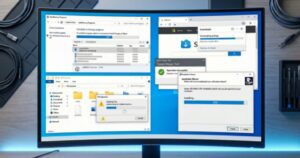
If the problem continues, reinstalling the program may help. Corrupted installation files are one of the biggest reasons software stops functioning correctly.
Steps for a Clean Reinstallation
Image Suggestion: Step-by-step visual of uninstalling and reinstalling software on a Windows or Mac computer.
- Uninstall the current software version completely.
- Restart your computer.
- Remove leftover files from the installation folder.
- Download the latest official version.
- Install the software again carefully.
A clean installation can replace damaged files and restore missing components that cause errors.
Disable Conflicting Programs
Some antivirus tools, background applications, or firewall settings may interfere with the software. If the application suddenly crashes or fails to launch, another program could be blocking it.
Temporarily disable unnecessary startup programs and test the software again. If the issue disappears, you may need to add the software to your antivirus or firewall exception list.
Avoid disabling security software permanently. Only use this step for testing purposes.
Fix Internet and Server Connection Issues
Certain software functions depend on a stable internet connection. Weak connectivity can lead to login failures, syncing errors, or incomplete updates.
Restart your router, check your internet speed, and ensure there are no server outages from the software provider. Switching to another network connection may also help identify the issue.
If the software uses cloud features, unstable internet access may repeatedly trigger the same zenvekeypo4 software problem.
Scan for Malware or Corrupted Files
Malware infections or damaged system files can negatively affect software performance. Running a full system scan using trusted security software may detect hidden threats causing instability.
You can also use system repair tools available in Windows or macOS to scan and restore corrupted operating system files. Keeping your device secure and updated reduces the risk of future software problems.
When to Contact Technical Support

If none of the fixes work, contacting technical support is the best option. Provide clear details about the issue, including:
- Error messages
- Device specifications
- Operating system version
- Steps already attempted
This information helps support teams identify the root cause faster and provide accurate solutions.
Gather Error Details Before Contacting Support
Image Suggestion: User collecting software error logs and screenshots before contacting technical support.
Taking screenshots of error messages can also make troubleshooting easier.
Conclusion
Dealing with a zenvekeypo4 software problem can be frustrating, but most issues are manageable with the right approach. Checking system compatibility, updating the software, clearing temporary files, and performing a clean reinstall are often enough to restore proper functionality. Regular maintenance and safe downloading practices can also prevent future problems. By following the steps in this guide, users can improve software stability and reduce recurring errors effectively.